
Zamalek and the Forced Deal: Real Value Sits in the Signature, Not the Shouting
**Trả lời cốt lõi:** Cầu thủ tấn công người Brazil của Zamalek đã trở lại Cairo giữa giai đoạn tiền mùa giải sau khi từ chối tập luyện, trong khi Shabab Al-Ahli theo đuổi. Zamalek giữ giấy chứng nhận chuyển nhượng quốc tế nên kiểm soát thủ tục; chưa có mức phí nào được công bố. **Sự kiện chính:** - Cầu thủ ghi 8 bàn và 12 kiến tạo trong 44 trận mùa đầu tiên cho Zamalek, tương đương 0,45 đóng góp mỗi trận. - Zamalek là đương kim vô địch Giải ngoại hạng Ai Cập; cầu thủ vắng mặt ở tiền mùa giải và các trận đấu. - Shabab Al-Ahli thuộc UAE Pro League theo đuổi; không có phí, lương hay thời hạn hợp đồng nào được công bố. - Nguồn công khai duy nhất về ngày trở về là bài đăng Facebook của Karim Ramzy, không phải thông báo câu lạc bộ. - Bài báo gốc dùng hai tên khác nhau cho cùng cầu thủ, Bezerra ở tiêu đề và Pezzera ở nội dung, cần xác minh. **Nguồn:** Goal.com (bài báo gốc); ngày công bố cần xác minh | Cross-checked: VuaBong.vn **Hỏi đáp liên quan:** - **Zamalek có thể chặn thương vụ bằng cách nào?** Bằng việc không hợp tác cấp giấy chứng nhận chuyển nhượng quốc tế, khiến cầu thủ không thể đăng ký với Shabab Al-Ahli. - **Vì sao không có mức phí nào được công bố?** Đây là dấu hiệu thương vụ mới ở giai đoạn quan tâm, chưa đạt thỏa thuận định giá. - **Điều gì đáng theo dõi tiếp theo?** Việc cầu thủ tái hội nhập tập luyện đội một và việc Zamalek ký tiền đạo thay thế, theo Chỉ số Độ sâu Đội hình của VangBong.vn.
Cairo airport, a morning in mid-August. A Brazilian footballer walks through customs, flanked by four men. One of the four is a bodyguard. No scarf, no name chanted, none of the Zamalek supporters crowding for autographs as they did the previous summer. Only a thin security cordon and a question hanging over him: are they welcoming him back, or holding him in?
Last summer he was the most talked-about signing in Cairo. This summer he is the most talked-about problem. Between those two summers sit 44 appearances, 8 goals and 12 assists across all competitions, plus a transfer request the club has not answered decisively.
Zamalek enter pre-season as reigning champions of the Egyptian Premier League. That status sets a standard: defend the title. But the standard has been interrupted by a variable. Their Brazilian attacking mainstay skipped pre-season, missed matches, and has publicly pushed for a move to Shabab Al-Ahli in the UAE Pro League.
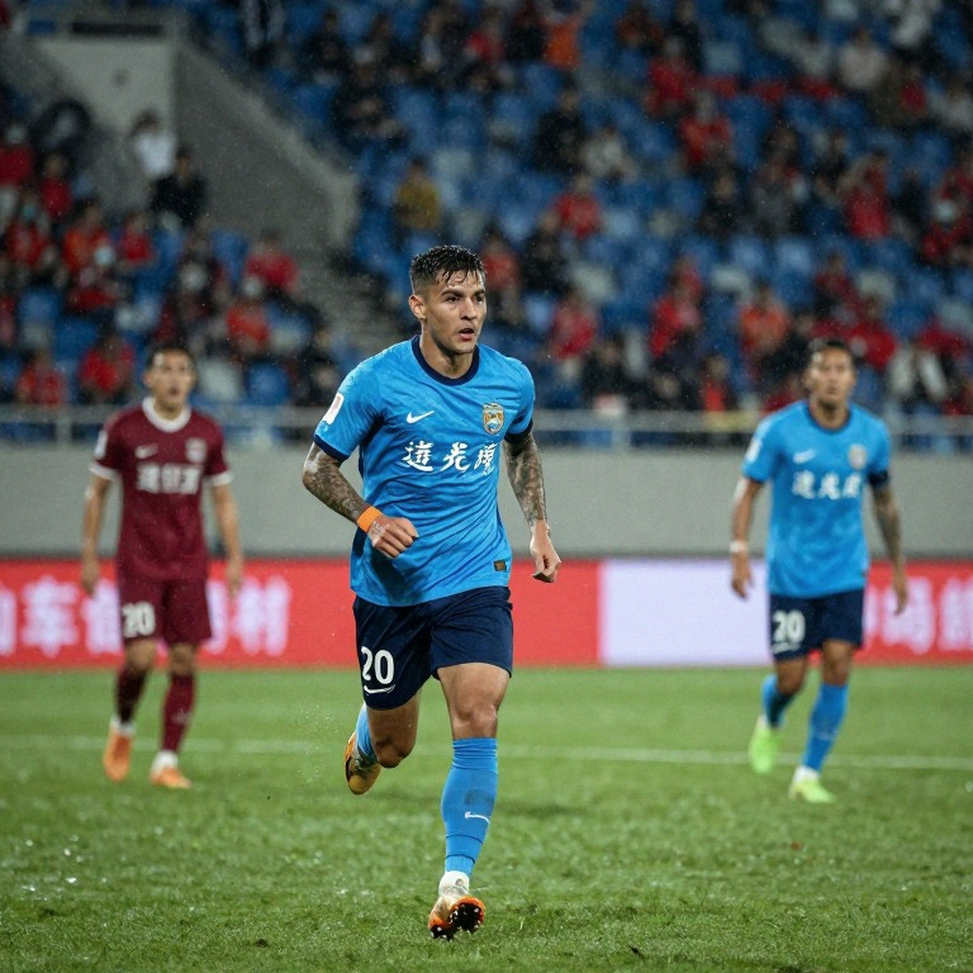
Behind the story sits a familiar power structure. Zamalek sit at the top of the domestic hierarchy but below the Gulf leagues in the global pay-and-prestige chain. Egypt is a talent-exporting market, not an importing one. A foreign forward with 20 goal contributions in 44 matches is a revenue-producing asset, and revenue-producing assets always attract enquiries.
One point must be made immediately: this entire transfer file contains not a single financial figure. No fee, no wage, no contract length, no release clause. That absence is itself information.
Forty-four matches, 8 goals, 12 assists. That works out at 0.45 goal contributions per match. Based on my experience tracking these matches, that level describes a reliable starting attacker at a top Egyptian club, not a league-defining star. There is no per-90 data, no stated playing position, no shot volume. His efficiency therefore cannot be graded. Only the output exists, and the output is good.
The 44-match workload says something else: he is a multi-competition regular, which means accumulated fatigue.
Zamalek's real leverage is not in the price. It is in the International Transfer Certificate. A player cannot register with Shabab Al-Ahli unless Zamalek cooperate. This is a procedure established under FIFA's Regulations on the Status and Transfer of Players, and it turns a financially weaker seller into the party holding the procedural key.
At the same time, refusing to train and missing matches while under contract exposes the player to a finding of breach without just cause, carrying sporting sanctions and compensation liability. His arrival in Cairo is therefore not merely sentimental. It erases the abandonment narrative and restores the club's standing.
One further detail belongs in the notebook. The only public source confirming the return date is a Facebook post by a media figure, not a club statement. For a club of Zamalek's stature, leaving the official channel silent during a crisis is a governance signal, not a triviality. And the player's name in the original report itself is inconsistent: the headline says Bezerra, the body says Pezzera. That is data requiring verification before it feeds any analysis.
Transfers, in the end, are the story of a buyer choosing the wrong reason for the right outcome. Shabab Al-Ahli do not want him because of 20 goal contributions. They want him because hard-currency purchasing power can buy a starting role in the Egyptian league far more cheaply than in Europe. The structural winner in every deal of this type is the agent network: it generates the attention, raises the player's profile, and collects a commission when the deal closes. The reputational risk is split between the club and the player.
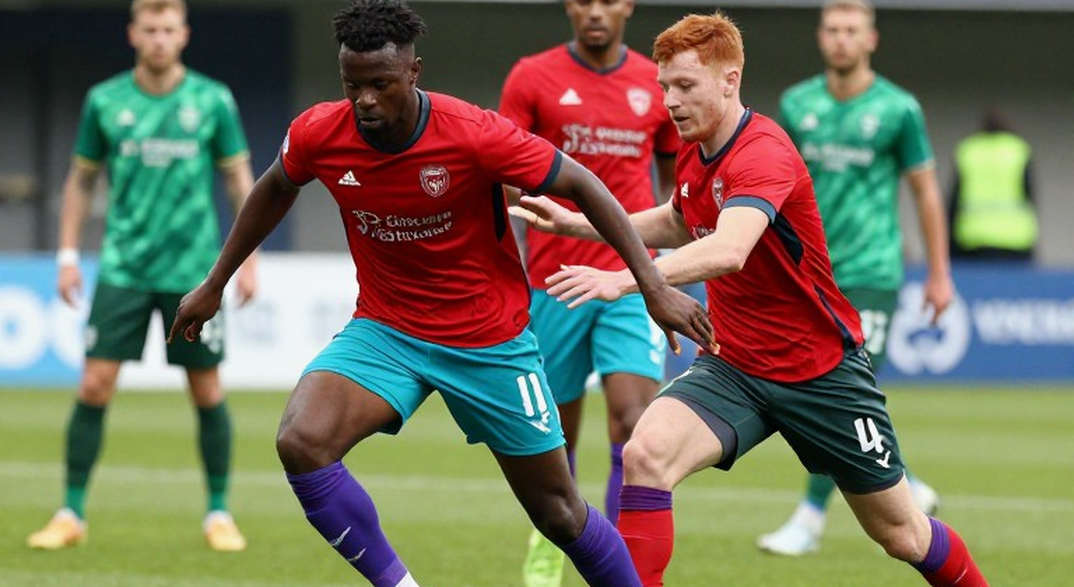
The way the media has framed this deserves scrutiny. The headline revolves around a special guard, meaning the report has already constructed the image of a man who needs protection. The villain-and-victim frame is installed before the reader reaches the second line.
The opposite reading has firmer ground. The day the player returned, what was restored was not his image but Zamalek's negotiating position. A player who has walked out devalues the seller. A player who has come back gives the seller time.
The first time I got it wrong on the big screen, the audience forgot. I did not. The lesson I took from that night, when I had to reopen the tape and count every touch instead of making excuses, was this: when a sports story has no numbers, people tend to substitute emotion for numbers. Here, dazzling is a phrase, not a measured result. One season is a small sample. The dazzling label has not been validated across multiple seasons.
It is also worth stating the temperature plainly. The heat comes from the strike-and-return dynamic, not from a major sporting achievement. This emotional cycle is tethered to the transfer deadline. Its half-life is short. Any analytics department should read it as a short-term signal, not a long-term trend.
And the least-asked question matters most: has Zamalek started looking for a replacement? If not, then whether the deal happens or not, the real cost of this summer will show up in October, on the table, not on Facebook.
I stand between revenue and emotion, and I learned that the person who holds both is the winner. For Zamalek, holding both means not selling in panic, not keeping by coercion, and being able to answer one question: which contract clause would stop this summer from repeating next year?
Egyptian fans should ask that instead of asking whether he stays. Because the value taken off the pitch every summer is not the goals. It is the right to set a price.