
Domestic FootballDong Nai Self-Discipline, VFF Retroactive Ban: The Real Lesson Lies in the 78th-Minute Yellow Card
Domestic Football
Dong Nai Self-Discipline, VFF Retroactive Ban: The Real Lesson Lies in the 78th-Minute Yellow Card
Câu lạc bộ Đồng Nai phạt nội bộ Lê Văn Sơn và Hu
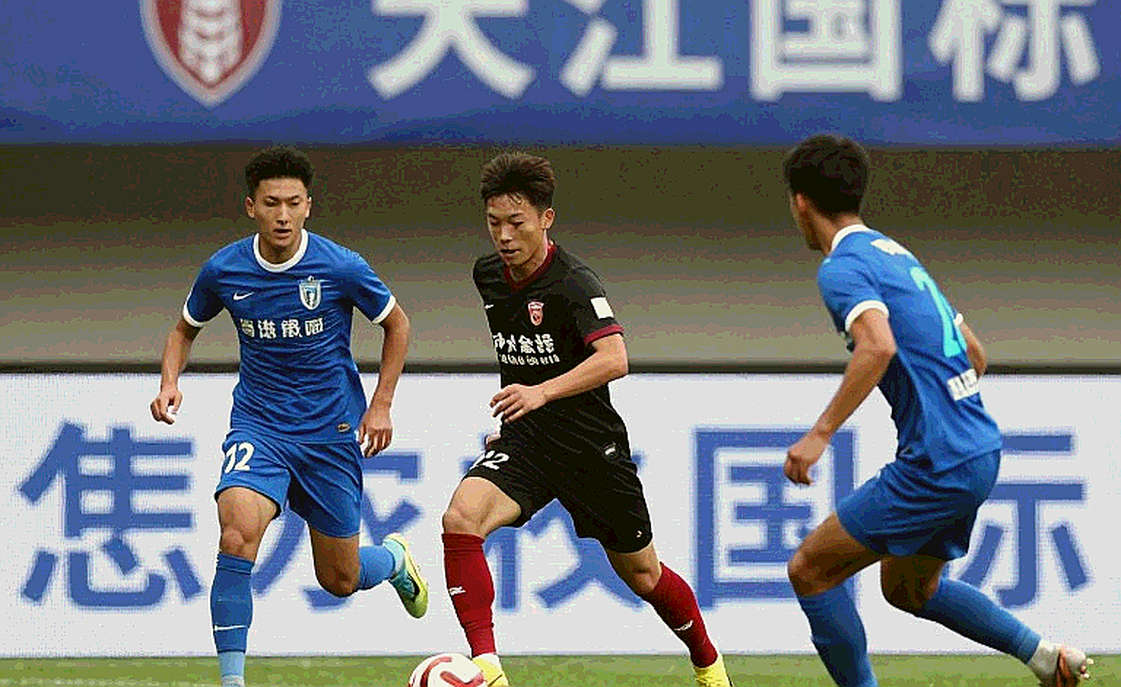
At the 78th minute at Dong Nai Stadium, the score was 0-3 in favor of CAHN, the visitors from Hanoi. Huynh Tan Sinh, the home team's center-back, delivered two consecutive kicks from behind into Dinh Bac, CAHN's striker, until the opponent fell. Referee Le Vu Linh showed a yellow card. VAR did not intervene. Four days later, the VFF Disciplinary Committee banned Tan Sinh for two matches and fined him ten million VND. I have followed enough seasons in Asia to know that the gap between on-field decisions and off-field rulings rarely concerns just one individual. It concerns the system. When the referee shows only a yellow card and VAR ignores an act later deemed worthy of a retroactive ban, who protects fairness for players on the pitch?
The match was part of V.League Round 3, played on September 20 at Dong Nai Stadium. For the Southeast-region club, this was their first home game of the season. Their opponents, CAHN, are a police-affiliated club from Hanoi and among the best-resourced teams in the league. The gap in resources was visible: ball circulation speed, rhythm control, and sharpness in attack all favored the visitors. The 2026 World Cup taught me that attack is a form of expression, but defense provides answers. In this match, Dong Nai achieved neither.
The trouble started early. In the 16th minute, Le Van Son was sent off for two elbow strikes on Dinh Bac in the same passage of play. With the score still level, a defender committing a serious foul that early suggests either a misguided man-marking assignment or a loose disciplinary culture. The red card shaped the rest of the match: Dong Nai played with ten men nearly the entire game. By the 78th minute, trailing 3-0, Tan Sinh targeted Dinh Bac again. Two kicks from behind, the second felling the CAHN striker. The incident differed in nature from Van Son's elbow: this was not a mistimed challenge but retaliation in a decided contest. Referee Le Vu Linh showed only a yellow. VAR stayed silent. The victim's profile explains the uproar: Dinh Bac is CAHN's main striker, a name known nationwide. When a prominent player is violently fouled and the referee responds leniently, public anger targets not just the offender but the entire officiating apparatus.
Dong Nai reacted on the morning of September 22: fines of 20 million VND for each player, a one-match internal suspension for Tan Sinh. Club leaders entered the dressing room immediately after the match to address discipline. Both players admitted fault. The club apologized publicly to Dinh Bac and CAHN. The 20 million VND fines are symbolic rather than financially punitive. What matters is the timing: the club acted before public outrage peaked, a reputation-protection move. A club like Dong Nai, losing 0-3 at home, understood that the dirty-team label would follow them all season. The VFF, simultaneously, banned Tan Sinh for two matches and fined him ten million VND. The coordination signals an entire system in crisis-response mode.
The greatest contradiction lies in the 78th minute. Two kicks from behind, consecutive, felling an opponent, meet any international standard for a straight red card. Three explanations exist: the referee did not see the full incident; he saw it but misjudged severity; or VAR reviewed and deemed it not clear and obvious. All three are concerning. This is a systemic issue, not an individual one. When fans see a yellow card and learn four days later of a two-match ban, the message is clear: on-field decisions cannot be trusted. No league can rely permanently on retroactive punishment. The 2026 season taught me that clubs stand through systems, not lineups. Leagues do the same.
The case also raises proportional-justice questions. Van Son received an automatic two-match ban from his red card. Tan Sinh, shown only a yellow, received a two-match retroactive ban. Both miss two matches through very different paths. If the disciplinary committee is slow or lacks data, victims get no justice. The fame of the victim determines the outcome: had Dinh Bac been an unknown player, would VFF have acted on the same morning? This reveals a paradox: disciplinary fairness may depend on public attention rather than objective standards. Dong Nai did their part, VFF responded fast, but the real question remains: when a two-match ban is delivered only after the final whistle, will any player hesitate before the next reckless challenge?
Cầu thủ liên quan
Bài nổi bật
2026-2027 National Cup: Four V-League Clubs Fall to First Division Sides and the Resource Priority Question2026-09-22
Dong Nai vs CAHN: Four Rest Days, Two Suspensions and the Tempo of a Mismatch2026-09-20
Thailand U23 vs Hong Kong U23: Three Over-Age Slots, a Leaky Back Line and the Clause That Decides the Quarter-final Ticket2026-09-20
The Empty Transfer Report in Vietnam's V-League Window: Data Gaps and a Scout's Lesson in Verification2026-09-16
Bài đề xuất
U20 Vietnam's 90-minute equation against Iran: Win by two goals, hope Palestine stumble2026-09-06
Why does Vietnam not yet have broadcasting rights for FIFA ASEAN Cup and Asiad? A full-scope analysis from the deal to blackout risk2026-09-11
V.League from the Empty Stand: Owner Money, Academies and the Information Backbone2026-09-16
V-League 2026-2027 Opening: Red Cards, VAR and The Cong's Victory Over Newly Promoted Dong Nai2026-09-05
Enzo Fernández, the 9.8 km cardio metric and a transfer deal that was scrapped2026-09-13
CAHN 2-0 Ha Tinh: Referee Disallows Goal in 37th Minute, CAHN Wins Opening V-League 2026-2027 Match2026-09-06
Bài đề xuất
The Breath at Minute 42: Clearlove7, Baron, and the Fate of a Generation2026-09-14
Vietnamese Football and the Discipline of Verification2026-09-13
Fifteen Empty Cells in V.League 1: The Gap That Cannot Lie2026-09-16
Cong An TP.HCM Defeat Hanoi FC, Ninh Binh Rout Hai Phong on LPBank V-League Opening Day2026-09-06
Hunting for Glory: Vietnam's Experienced U23 Squad at the 2026 Asian Games2026-09-12
Hanoi Police FC and Gamba Osaka: Reading the Asian Dream Through Raw Data and AFC Rules2026-09-16
Bài đề xuất
V-League after Round 2: Song Lam Nghe An surprises, but Ha Noi is the real warning sign2026-09-14
Hanoi Police FC and Gamba Osaka: Reading the Asian Dream Through Raw Data and AFC Rules2026-09-16
U23 Vietnam vs U23 Philippines: 27 Shots and a Problem Beyond the Coach's Reach2026-09-18
Vietnam U23 at the 2026 Asian Games: The Experience Bet and the Gap Nobody Names2026-09-11
V.League from the Empty Stand: Owner Money, Academies and the Information Backbone2026-09-16
V-League 2026-2027 Opening: Red Cards, VAR and The Cong's Victory Over Newly Promoted Dong Nai2026-09-05